
CavTube Sparging
Cavitation Tube Sparging
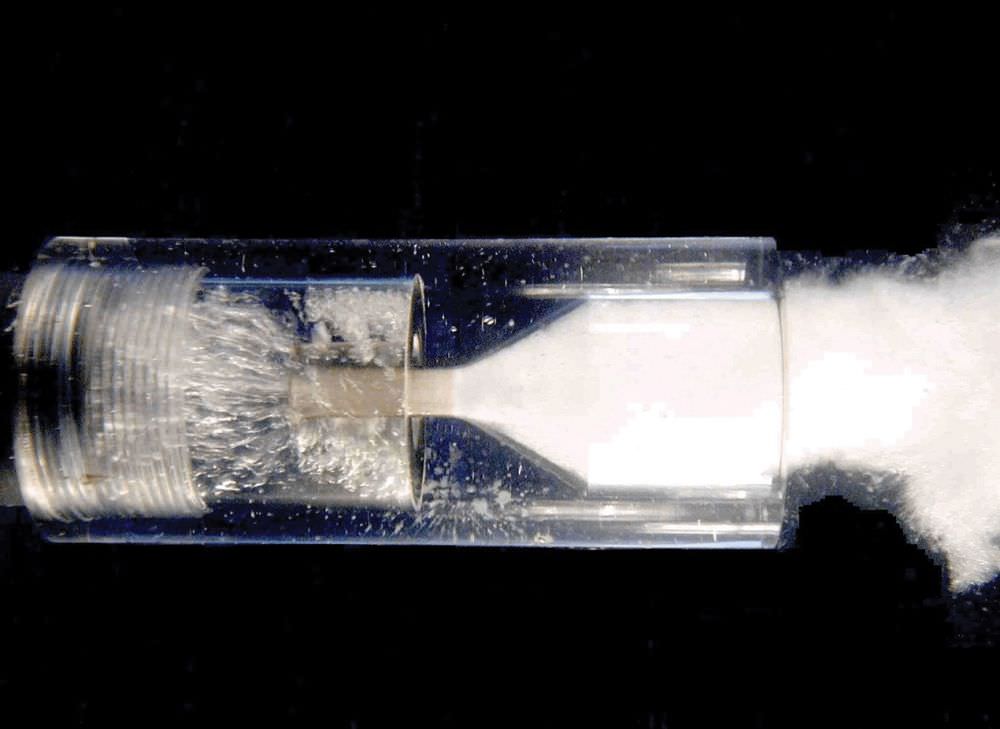
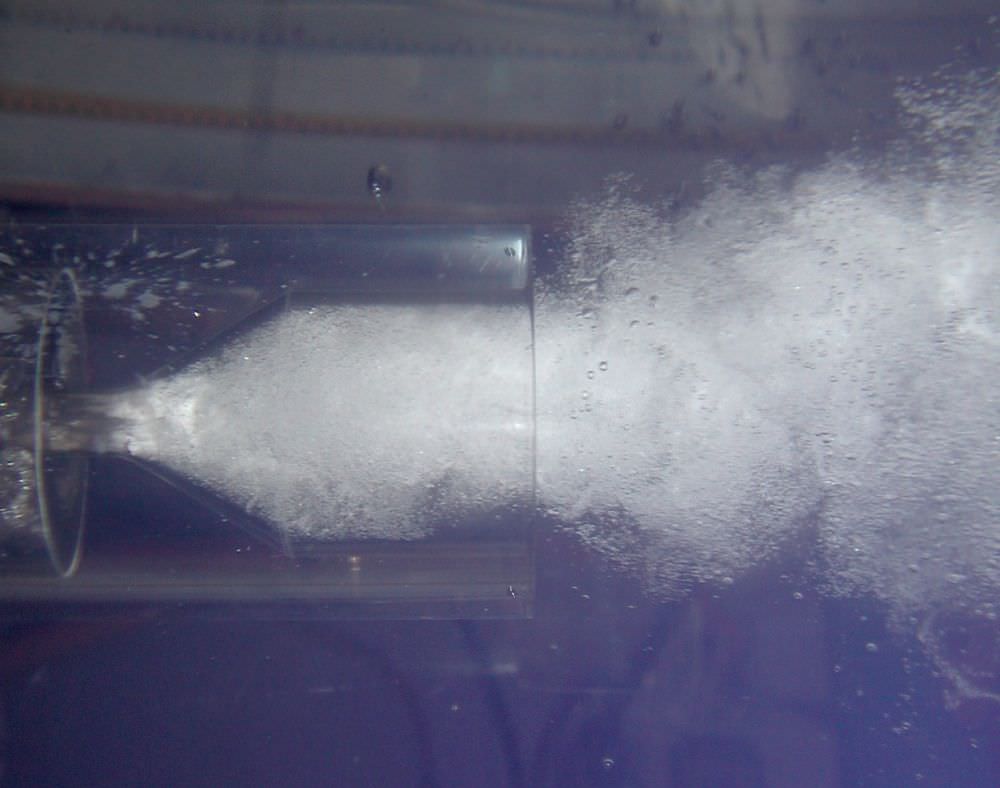
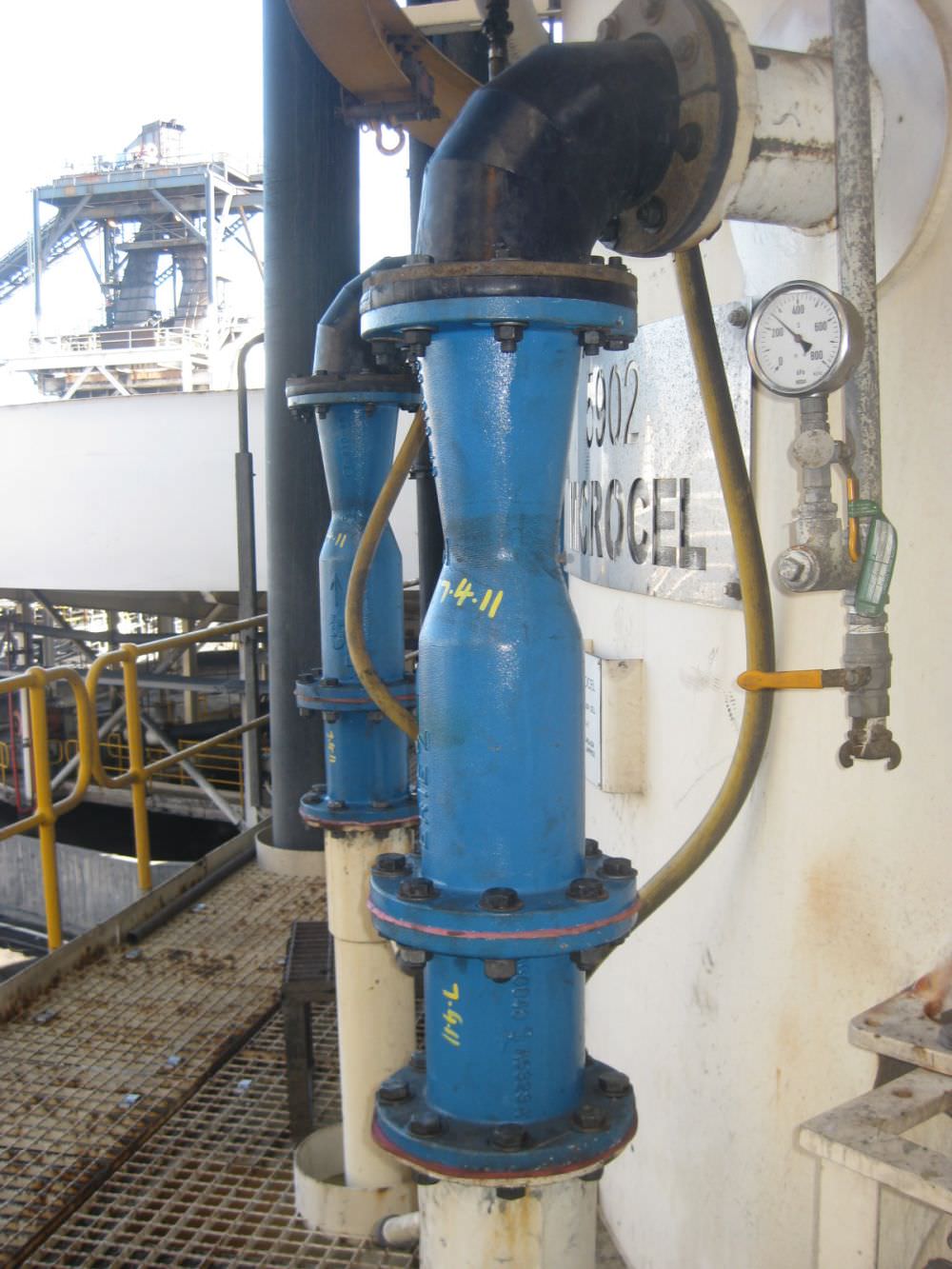
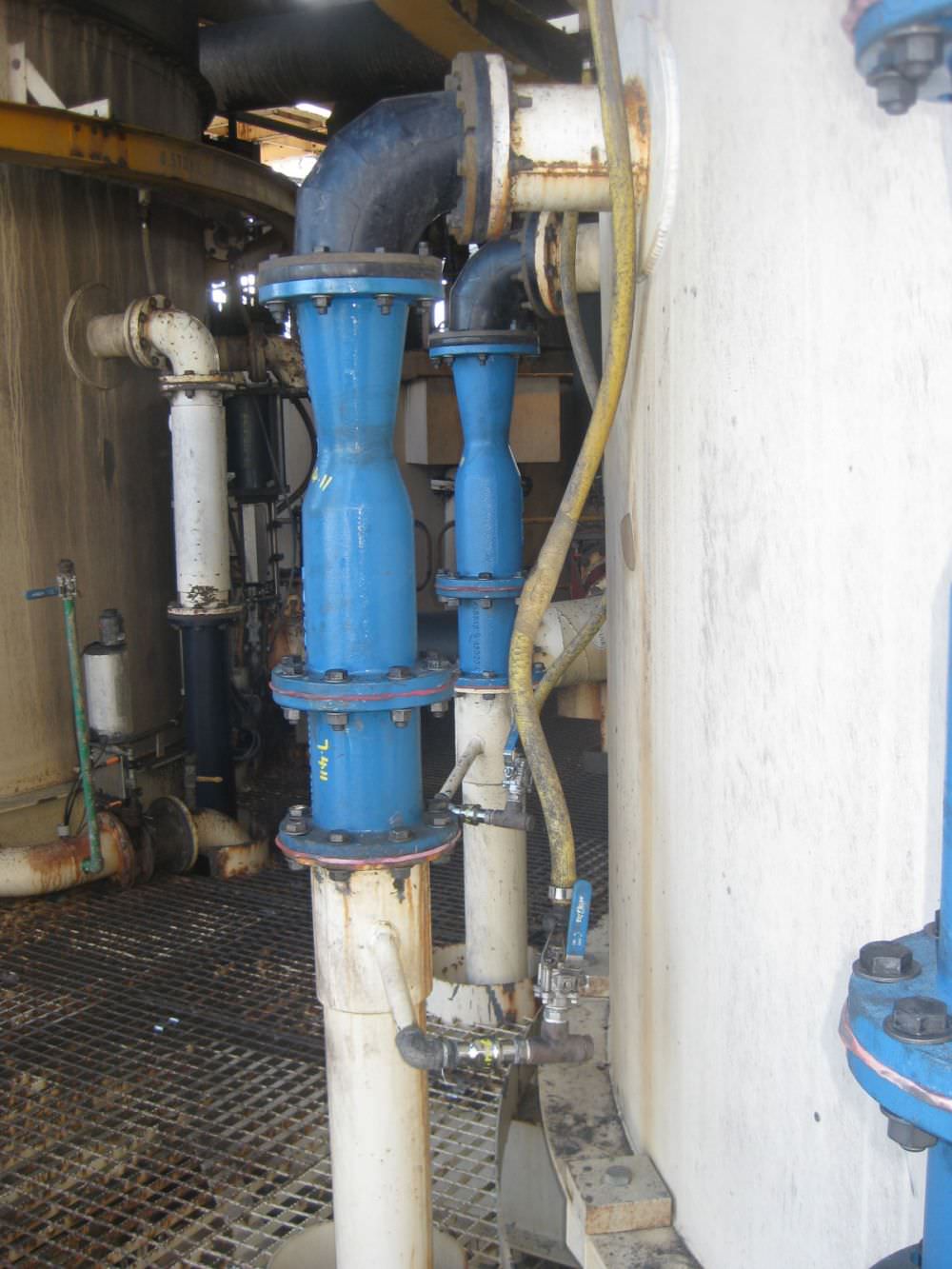
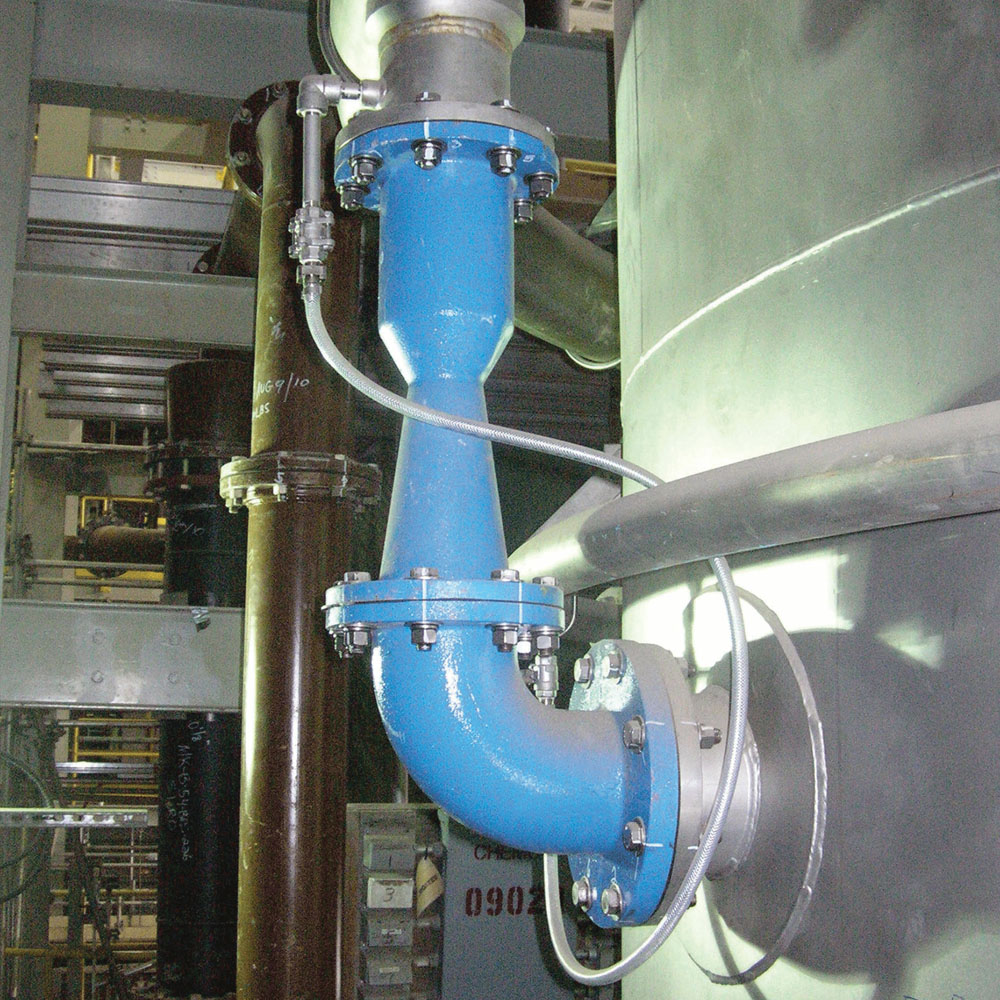
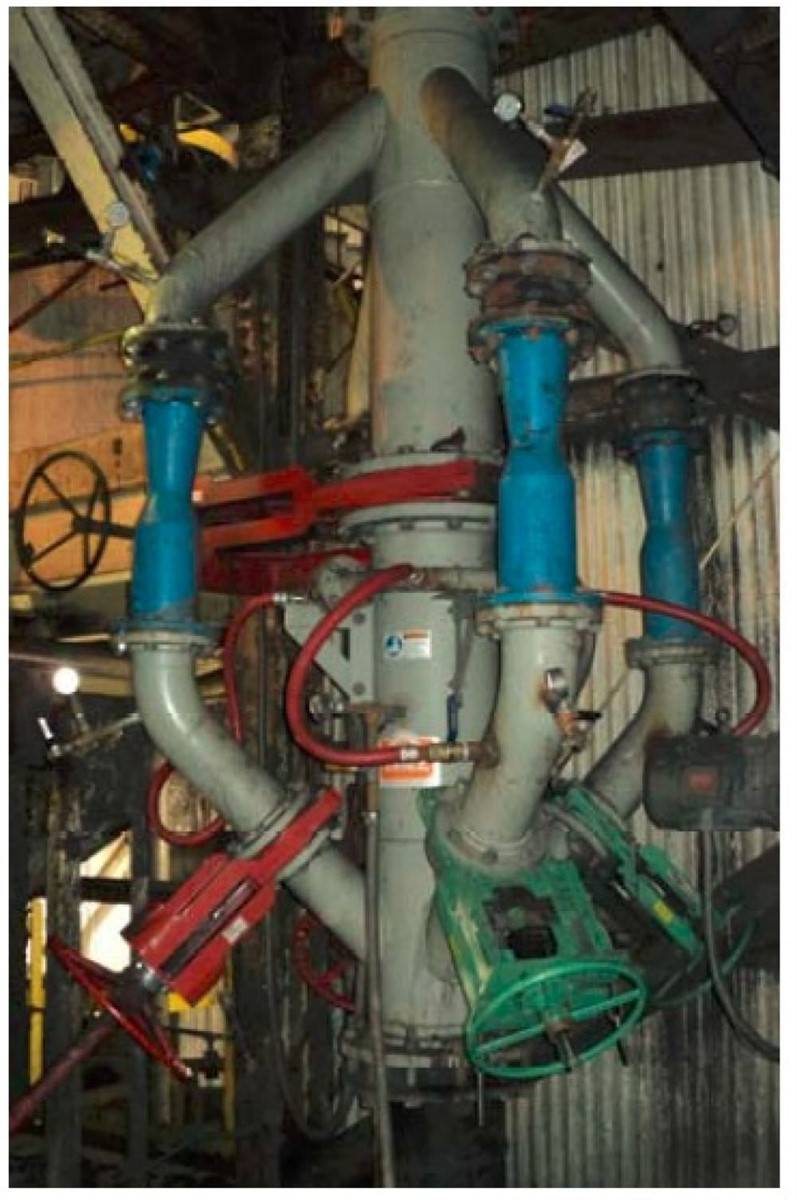
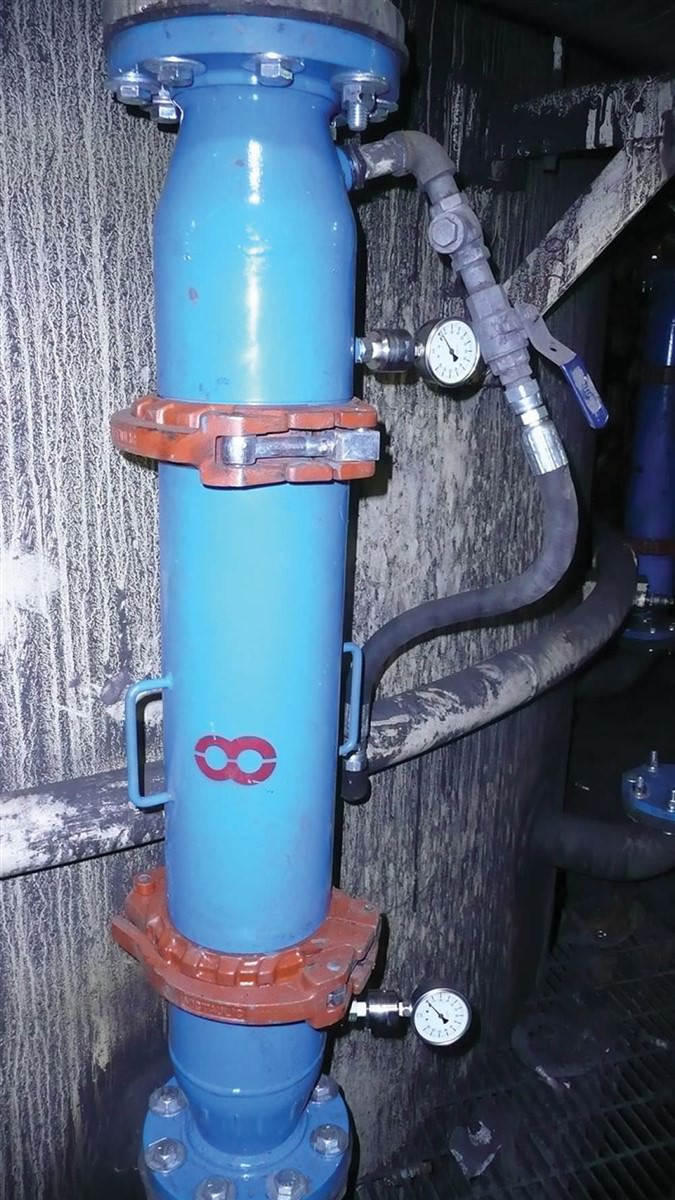
The CavTube® design is based on hydrodynamic cavitation. This occurs when the pressure in a moving liquid is momentarily reduced below its vapor pressure, creating ultrafine air or vapor-filled bubbles. These fine bubbles are carried by the flow to a region of higher pressure resulting in a bubble dispersion that resembles fine smoke. Cavitation and the shearing of additional gas ensure the generation of fine bubbles suitable for the recovery of both ultrafine and coarser particles.
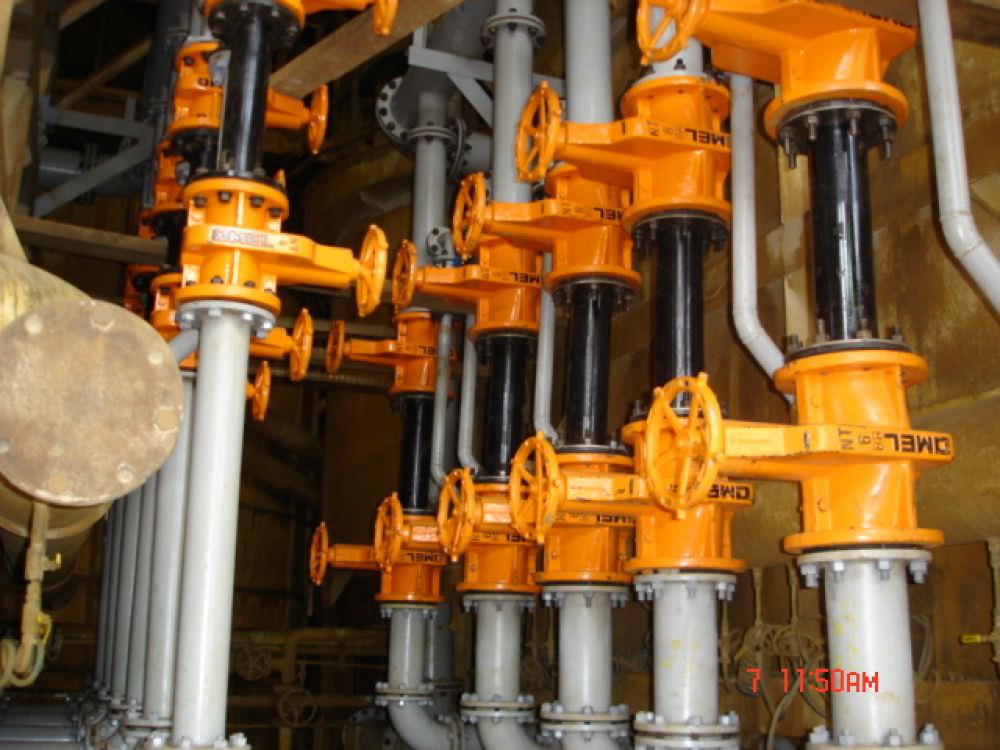
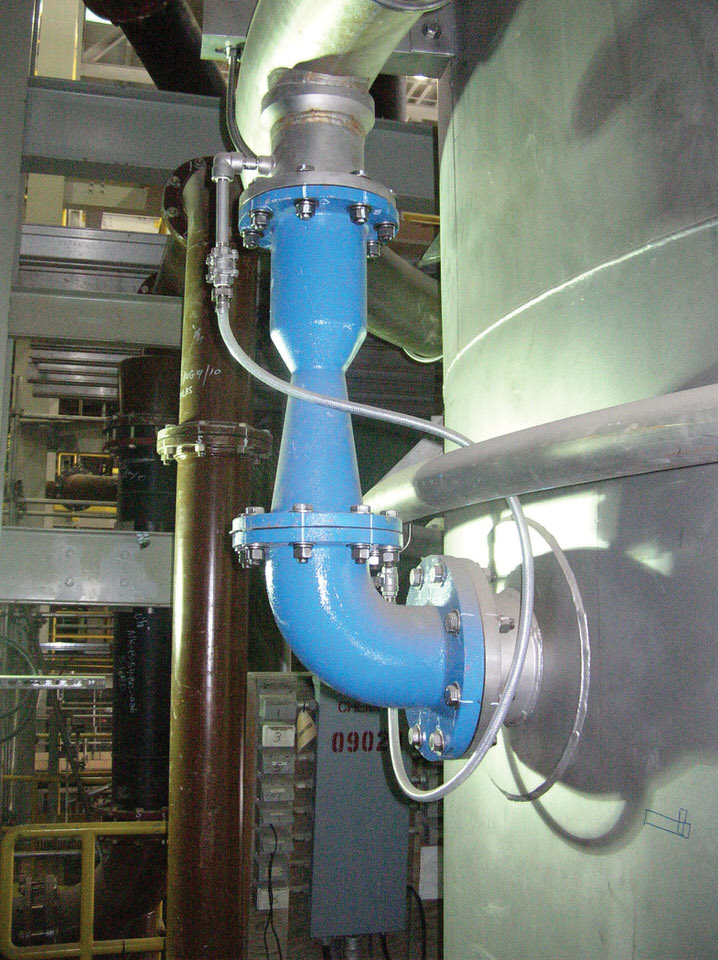
CavTubes are offered in a variety of materials of construction to provide a long wear life. Material selection is based on application specifics and includes polyurethane, ceramic, tungsten carbide and hardened steel.



Increase Ultrafine Recovery
Generate picobubbles to improve flotation kinetics
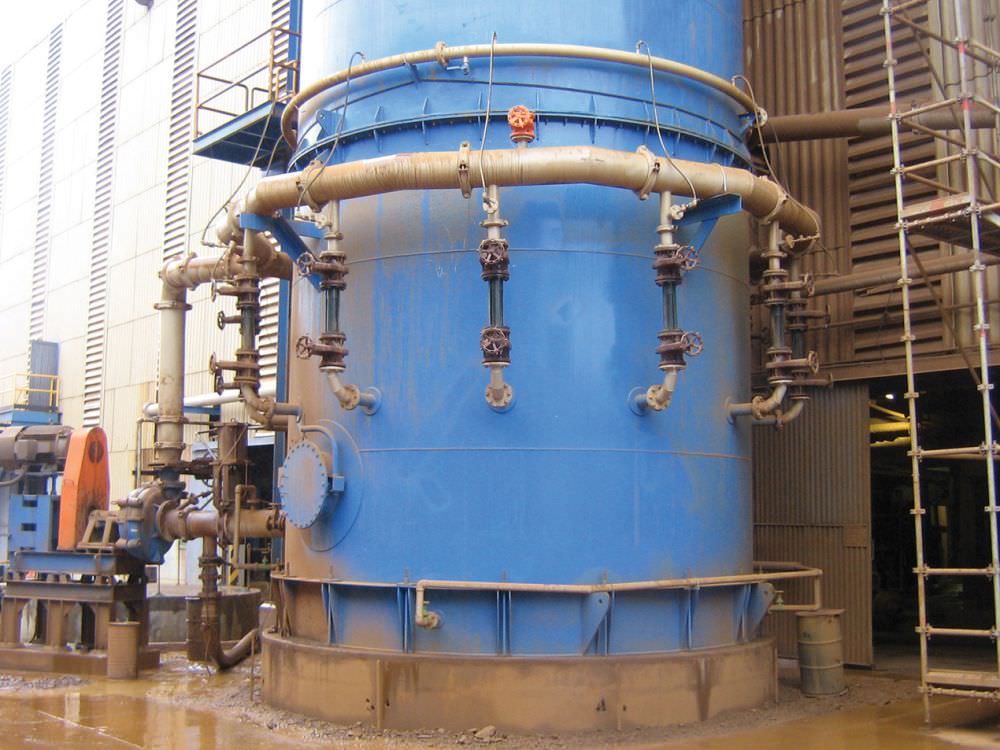
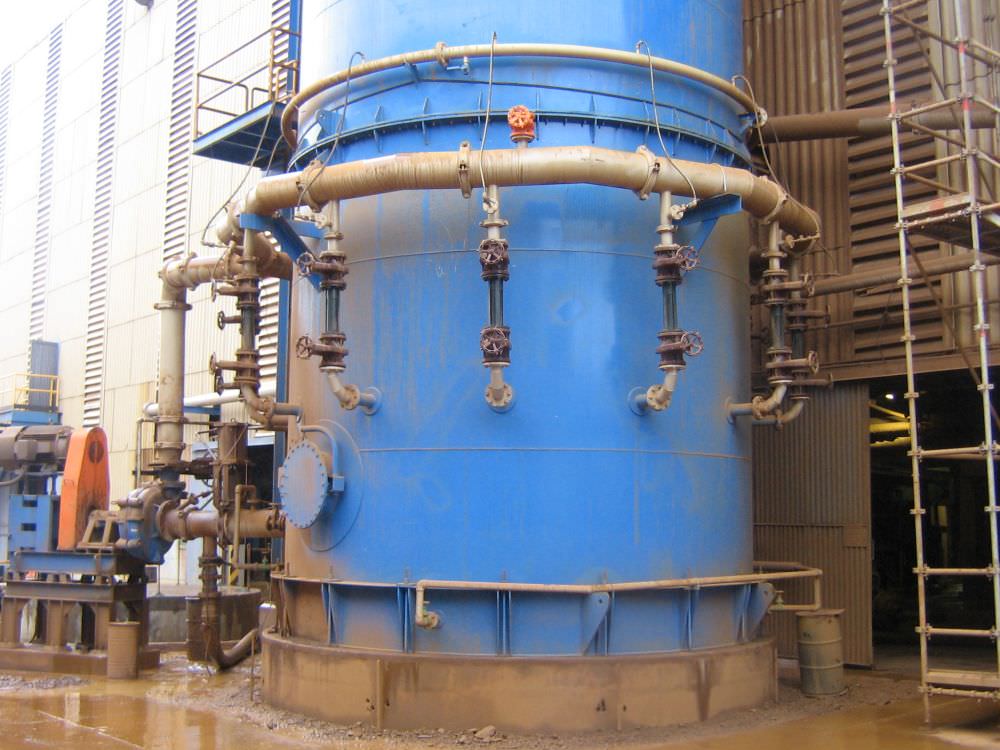
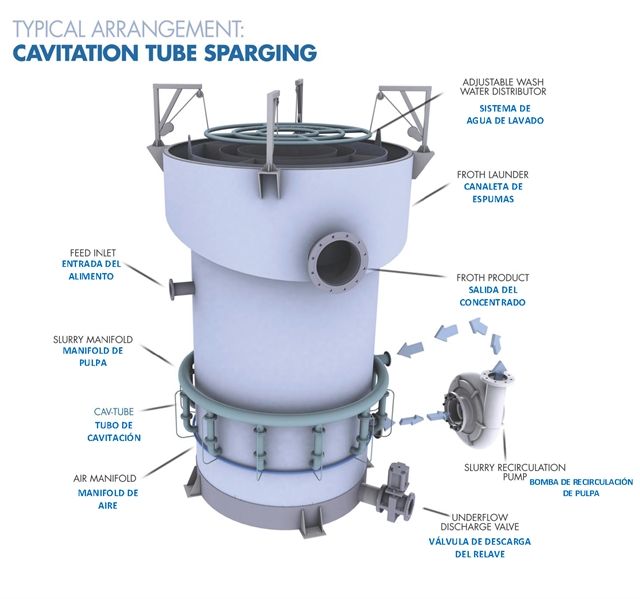
Cavitation Tube spargers are the heart of the patented bubble generation technique used in Eriez Flotation column flotation cells. The specially designed CavTubes are an integral part of the hydrodynamic aeration system used for maximum fine bubble generation and improve bubble-particle collision rates. CavTubes can also be used as part of a pre-aeration system that can be applied independently in a flotation feed line or part of a separate equipment package to increase the recovery of overloaded circuits or improve the flotation response of “hard-to-float” material.
Applications
- Aeration of Column Flotation Cells
- Pre-Aeration Systems
Benefits:
- Ensure a higher attachment probability with higher recovery of hydrophobic particles
- Produce higher recoveries for ultrafine material for greater concentrate production
- Improve bubble-particle collision rates and lower reagent costs
- Have no direct impediments to flow for longer wear life
Picobubble Enhanced Flotation
Ultrafine bubbles naturally exist in liquids and can be created through dynamic cavitation. These picobubbles readily attach to hydrophobic particles due to their lower ascending and rebound velocities and the improved free-energy conditions. Combining cavitation-induced bubble generation with mechanically generated bubbles produces higher flotation recoveries than by either method alone. This synergistic effect is caused by the nucleation of picobubbles on the particle surface.
Picobubbles improve the flotation response by acting as a secondary “collector,” enhancing the bubble-particle attachment probability and reducing detachment. Cavitation-Tube sparging systems have been demonstrated on an industrial scale in base metals, sulfides and non-metallic applications. These installations have yielded improvements in recovery, reagent consumption and wear.
 Brochures, Case Studies & Technical Papers

Cavitation Tube Sparging Systems
Cavitation Tube spargers are the heart of the patented bubble generation technique used in column flotation cells. The specially designed “CavTubes” are an integral part of the hydrodynamic aeration system used to maximise fine bubble generation and improve bubble-particle collision rates.

DeGrussa Copper Mine improves its performance with the Eriez CavTube Column
The results being achieved by the full-scale column at DeGrussa are very encouraging. Early results suggest that the recovery improvement target has been exceeded.

Este articulo describe la aplicación novedosa de tecnologías existentes, en el circuito de flotación actual de la empresa Bimetals de México S. de R.L. de C.V. para incrementar 1) La recuperación de cobre, con inyección controlada de aire a celdas mecánicas de Flotación Primaria y 2) Mejorar el grado del concentrado final con la generación de burbujas finas, en celda columnar de última etapa de limpieza.